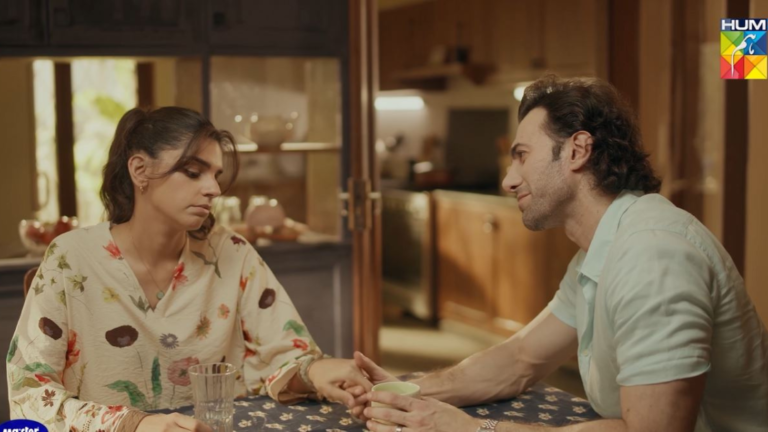

Mitti De Baway Episode 7 and 8 take the story in a heartbreaking direction as Iqbal Channan struggles with the loss of his brother Aslam, also known as Achhi. His grief pushes him towards revenge, while Phajja sees an opportunity to influence his future. Meanwhile, Billo fights against family rejection, and Zareena struggles with the consequences of the violence around her. With powerful performances from Wahaj Ali, Mahira Khan, Amar and Sohail Ahmed, these episodes explore grief, family honour and how vulnerable people can be manipulated.
At the same time, Phajja sees an opportunity to use Iqbal’s pain for his own benefit. Episode 7 is heartbreaking because of the deaths and the helplessness of those left behind, while Episode 8 focuses on Iqbal’s transformation into Baala Gujrati. Wahaj Ali delivers an emotional performance, Mahira Khan brings anger and determination to Billo, and Sohail Ahmed makes Phajja both charming and dangerous. Together, these episodes show how revenge and pride can destroy lives, while people with power often take advantage of those who have nothing left.
1. Aslam’s Death Changes Everything for Iqbal
The most heartbreaking part of Episode 7 is the tragedy surrounding Aslam and the people trying to escape. Iqbal is already dealing with a difficult situation, but losing his brother makes everything worse. The violence leaves the family shattered, and Iqbal is unable to process what has happened.
Wahaj Ali makes these scenes powerful through his expressions and body language. His grief does not feel like an ordinary dramatic reaction. There is shock, disbelief, anger and pain all mixed together. The audience can see that Iqbal is struggling to understand how his life changed so quickly.
What makes this sequence especially painful is the feeling that things could have been different. The characters were trying to escape the violence and find a chance at a safer life, but the conflict follows them anyway. Their plans fall apart, leaving the survivors to deal with the loss.
The scene also changes how viewers look at Iqbal. Until now, we have seen different sides of his personality, but grief begins to take over his decisions. His pain is understandable, yet the way he responds to it will have serious consequences.
2. Wahaj Ali Makes Iqbal’s Pain Feel Real
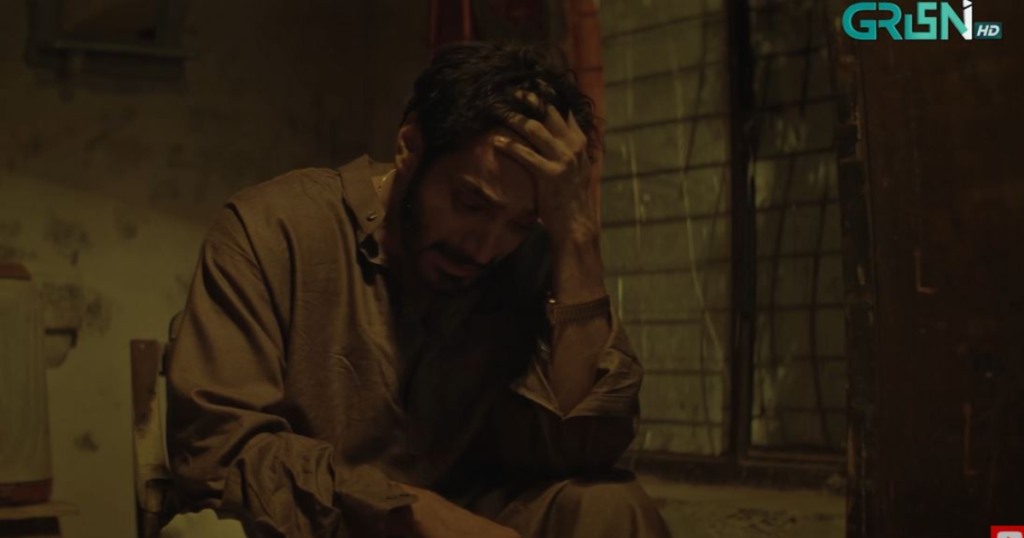
Wahaj Ali deserves special appreciation for his performance in these episodes. Playing a character who is grieving, angry and slowly losing control is not easy. If the emotions are overdone, the scenes can feel forced. If they are held back too much, the audience may not connect with the character.
Wahaj finds a balance between the two. His expressions often communicate more than his dialogues. The pauses, the restless movements and the changes in his voice help viewers understand what Iqbal is experiencing.
His reaction after the tragedy is particularly effective because it shows how grief can turn into anger within seconds. A person who is already emotionally broken may not think clearly when faced with another loss. Iqbal’s actions reflect that state of mind.
This is also why the character remains interesting. We can feel sympathy for his suffering without agreeing with every decision he makes. The audience knows that revenge cannot bring his brother back, but it is easy to understand why Iqbal struggles to accept that reality.
Wahaj’s performance gives this transformation an emotional foundation. Without that connection, Iqbal becoming Baala Gujrati might have felt like a sudden change made only to create excitement. Instead, viewers can see the pain that takes him towards this new identity.
3. Billo Finally Speaks Up Against Double Standards
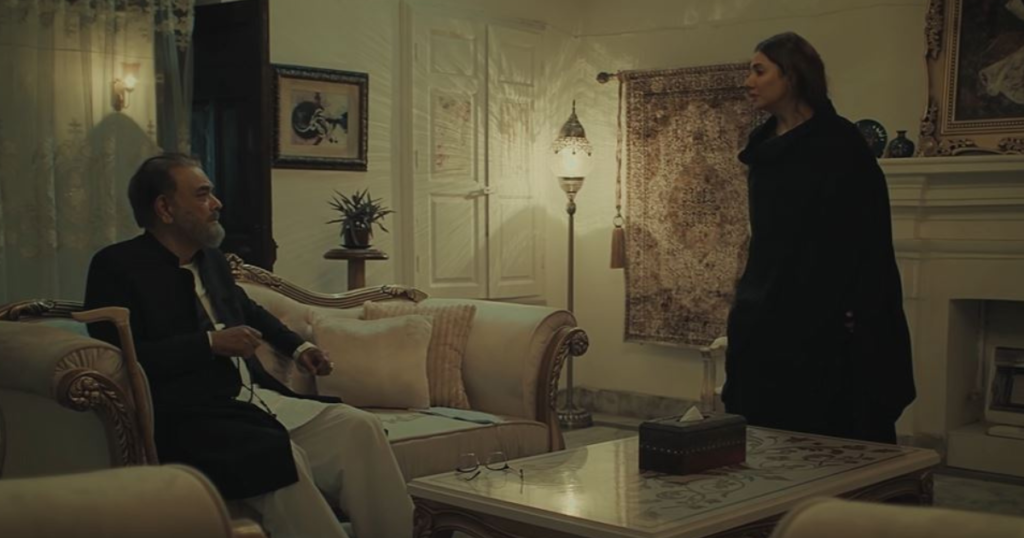
Mahira Khan’s track is another major highlight of Episode 7. Billo has spent a long time dealing with humiliation and judgment, but she does not quietly accept the hypocrisy around her. Her conversation with her father in law is important because she questions the different standards used to judge men and women.
He is concerned about the family’s honour and the damage caused by the events around him. However, Billo points out that the same concern was not shown when her own reputation was being damaged. Her words expose a familiar problem in our society: a woman can be blamed and shamed, while the men involved are often treated differently.
Mahira expresses Billo’s anger through her eyes and voice. She is hurt, but she is also aware of the unfairness of her situation. Her performance makes it clear that Billo is not simply upset because she has lost her place in the family. She is angry because she has been treated as though her feelings and dignity do not matter.
Many Pakistani viewers will recognise this double standard. In some families, the word izzat is used to control women, while the actions of men are excused or ignored. Billo’s confrontation makes the audience question who really protects family honour and who uses it as an excuse to control others.
4. Phajja Knows Exactly How to Use Iqbal
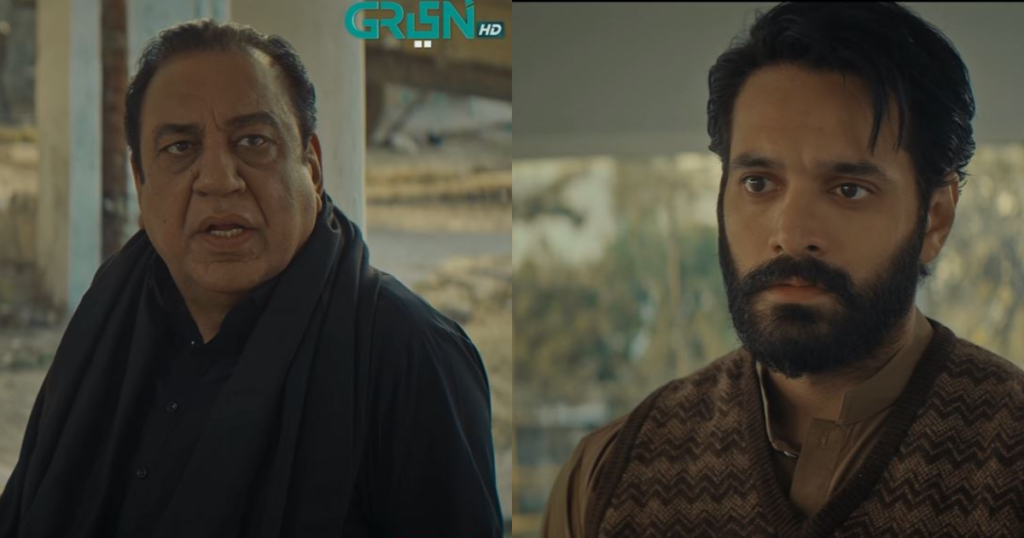
Sohail Ahmed’s performance as Phajja adds a different kind of tension to these episodes. Unlike characters who express their anger openly, Phajja often speaks calmly. He does not always need to threaten someone to make them feel trapped.
After Iqbal’s violent reaction to the tragedy, Phajja understands that the young man is vulnerable. Iqbal wants to return to his family, grieve with them and take part in the final rites. These are natural wishes, but Phajja convinces him that showing himself in public could put him in further danger.
There is some practical sense in what Phajja says, which makes the situation complicated. Iqbal needs protection, and Phajja appears to offer it. However, Phajja also has his own interests. He uses the circumstances to keep Iqbal under his influence and begins planning how to make him useful.
This is where Sohail Ahmed shines. His relaxed expressions and controlled dialogue delivery make Phajja believable. He does not behave like a typical villain who announces every bad intention. Instead, he presents his decisions as solutions to other people’s problems.
That makes him more dangerous. Sometimes, the people who manipulate us are not the ones who openly threaten us. They are the ones who understand our problems, offer help and slowly make us feel that we cannot manage without them.
5. Zareena’s Track Shows the Cost of Living With Violence
Zareena’s story deserves more attention because she is also paying the price for decisions made by others. The violence around her has affected her family, her sense of safety and her hopes for the future.
Her unhappiness with the restrictions placed on her life reveals another side of the family’s problems. She wants some happiness and freedom, but the rules around her leave little room for either. Even personal moments that should bring joy are affected by the fear of judgment and the pressure to behave according to family expectations.
In Episode 8, her emotional moment with the wedding photograph stands out. The photograph becomes a reminder of a life that has changed. Her sadness is not only about one event. It is about the distance between the life she expected and the reality she now faces.
Amar brings sensitivity to these scenes. Zareena does not always need to explain her pain directly. Her expressions and the way she reacts to her surroundings allow viewers to understand her disappointment.
Her story is relatable because many people know what it feels like to have their choices limited by family pressure. Sometimes, a person can be surrounded by family and still feel completely alone. Zareena’s scenes bring that feeling into the drama without needing lengthy speeches.
6. Billo Chooses to Leave Shah House
Another important development is Billo’s decision to leave Shah House with her two sons. After the death of Nazeer, she wants to attend his final rites, but her father refuses to let her do so. Even when she pleads with him, he does not show the understanding she needs.
This scene is painful because Billo is not asking for a grand favour. She wants to mourn someone she has lost. Instead of receiving comfort, she is made to feel that her presence is unacceptable.
Her decision to leave shows that she understands how unsafe and unwelcome she has become in that environment. She cannot keep waiting for the people around her to treat her fairly. She needs to think about her children and their future.
Mahira portrays this shift well. Billo is emotional, but she is not helpless. She has reached a point where staying in the same place may be more damaging than leaving it behind.
Her next move is interesting because she heads towards Bade Sarkar’s home. It is not yet clear whether this decision will give her the security she needs or introduce her to another set of problems. What matters is that Billo is beginning to take control of her circumstances rather than waiting for someone else to rescue her.
7. Iqbal’s Transformation Into Baala Gujrati
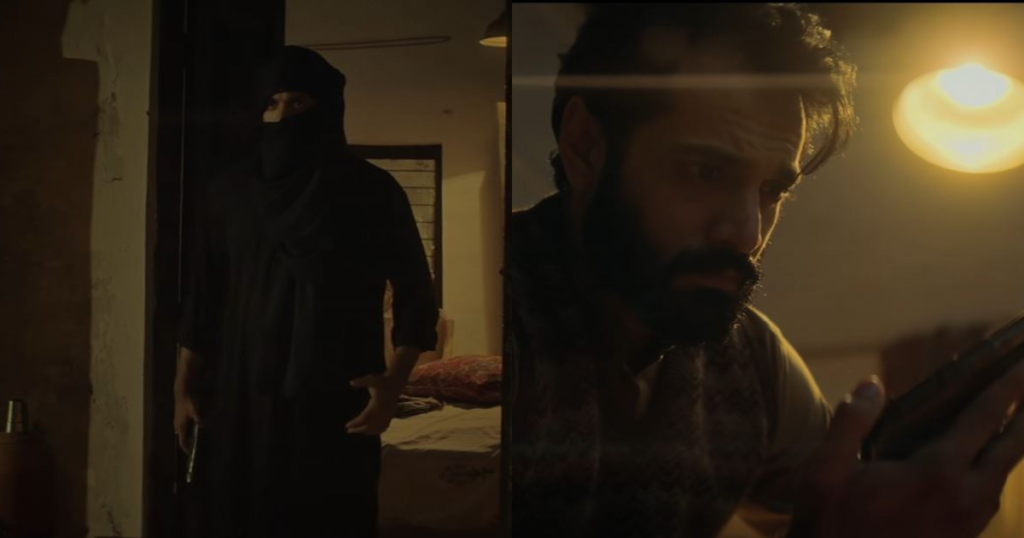
Episode 8 brings one of the biggest changes in the drama so far: Iqbal begins his transformation into Baala Gujrati. This is not just about a new name or a different appearance. It represents a major change in the direction of his life.
Iqbal has suffered a terrible loss, and he is struggling to find a way forward. Phajja offers him a place in his world, but that offer comes with expectations. Iqbal knows that he owes Phajja, and this sense of obligation becomes another reason for him to stay.
The tragedy is that Iqbal once had a softer side. His memories of Aslam and the people he cared about remind viewers that he was not always moving towards violence. He had relationships, hopes and a life beyond the world Phajja is introducing him to.
Wahaj Ali makes the change convincing through his physical presence and controlled performance. His appearance adds to the impact, but the real strength lies in the way he carries himself. Iqbal seems more withdrawn and intense, as if he is trying to hide the pain that is still inside him.
The introduction of Baala is dramatic, but the emotional journey behind it is what makes it meaningful. Viewers are left wondering whether Iqbal is choosing this path freely or whether grief and Phajja’s influence are pushing him towards it.
What Is the Main Theme of Mitti De Baway Episodes 7 and 8?
The central theme of these episodes is the destructive effect of revenge, pride and power. The characters are not dealing with one problem at a time. Their personal conflicts keep affecting their families, and innocent people suffer because others refuse to step away from their egos.
The drama also explores how vulnerable people can be manipulated. Iqbal needs support after losing Aslam, while Billo needs safety after being rejected by her family. Both characters are in difficult positions, but their responses are different. Iqbal moves closer to Phajja’s world, while Billo tries to find a new place for herself and her children.
Another theme is the unequal treatment of men and women. Billo’s experience shows how quickly a woman’s dignity can become a topic of public judgment. Her pain is treated as less important than the family’s reputation, even when she is the person who needs support.
These themes feel familiar to Pakistani audiences because family honour, social status and pressure from relatives are part of many real life conversations. The drama presents these issues through a violent story, but the emotions behind them are easy to recognise.
The Mitti De Baway Episode 7 and 8 review highlights how grief, revenge and family pressure shape the characters’ choices. While Iqbal moves closer to becoming Baala Gujrati, Billo tries to build a safer future for her children. These parallel stories make the drama more than a tale of revenge because they show the different ways people respond to pain.
Final Verdict
Mitti De Baway Episodes 7 and 8 deliver emotional storytelling, strong performances and a major turning point for Iqbal Channan. Episode 7 leaves viewers dealing with the pain of Aslam’s death, while Episode 8 shows how that loss begins to change Iqbal into Baala Gujrati.
Wahaj Ali is the standout performer, but Mahira Khan, Amar and Sohail Ahmed also add depth to the story. Billo’s confrontation with her father in law, Zareena’s sadness and Phajja’s quiet manipulation keep the drama engaging beyond its action sequences.
The most interesting part is that no character’s future feels secure. Billo is searching for safety, Zareena is struggling with her circumstances, and Iqbal is moving towards a life that may take him even further away from the person he used to be.
The big question is whether Baala Gujrati will control his own future or become another person shaped by revenge and the people who benefit from it.
You can watch the episodes on Green Entertainmnet YouTube channel: Episode 7, and Episode 8. Mitti De Baway airs every Wednesday and Thursdau at 8 PM only on Green Entertainment.
If you are following other dramas this week, check out our take on Dar e Nijat’s latest episode and our review of Gulbahar Episode.
What did you think of Mitti De Baway Episodes 7 and 8? Was Iqbal’s transformation into Baala inevitable, or could someone have helped him choose a different path? Share your thoughts with POISE.
Top Stories