




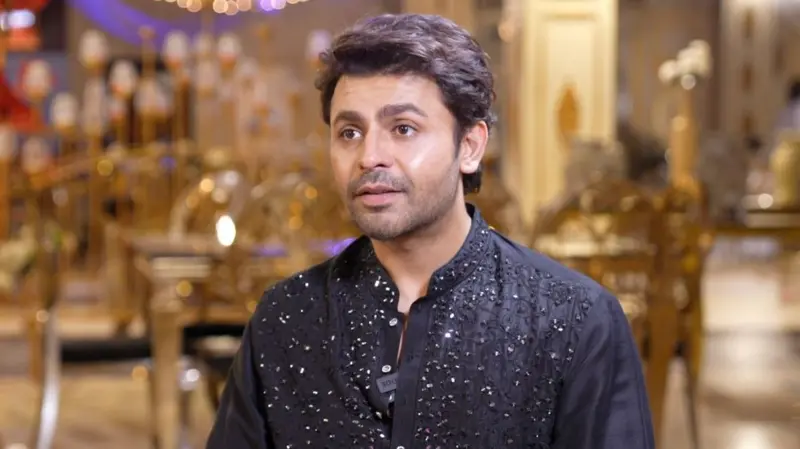
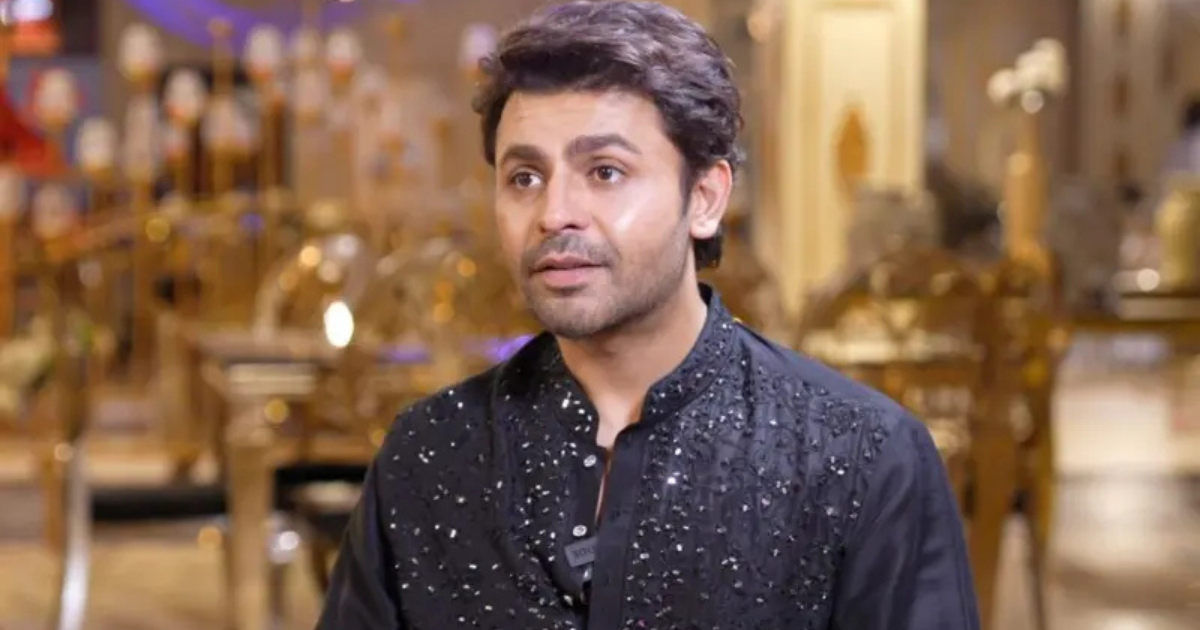
Farhan Saeed expected his character Anas in Bas Tera Saath Ho to be challenging. What he may not have expected was how deeply the character would connect with people watching him on screen. After the drama began exploring Anas’s painful childhood and the emotional pressure he has carried for years, Farhan says he started receiving messages from viewers who saw their own lives in his story.
Some of those messages came from women who shared experiences involving their fathers or husbands. Many came from men who opened up about their own struggles, emotional pain and difficult experiences. For Farhan, that response changed the way he looked at Anas. The character was no longer simply a different kind of male lead in a Pakistani drama. He had become a reflection of something that many people experience quietly but rarely discuss.
Anas Is Not the Typical Pakistani Drama Hero
Pakistani dramas have never been short of complicated male characters, but there is a familiar pattern audiences often recognize. The male lead is usually expected to be confident, decisive and emotionally controlled. Even when he is facing problems, he is often given the role of the person who eventually takes charge of the situation.
Anas is different.
In Bas Tera Saath Ho, his story is rooted in a childhood spent under the control and mistreatment of his paternal uncle and aunt. Instead of growing up in an environment where he could freely express himself, make decisions and feel safe, Anas learned to live with fear and pressure.
That history matters when viewers ask why he does not simply stand up to them.
From the outside, resistance can look easy. A viewer can watch a scene and think that Anas should have spoken up, walked away or confronted the people treating him badly. But someone who has spent years being conditioned by fear does not necessarily respond to a difficult situation in the same way as someone who has always felt secure.
This is one of the most interesting things about Anas. His silence is not presented simply as a lack of courage. His behaviour is connected to the environment that shaped him.
That distinction has also become central to Farhan Saeed’s understanding of the character.
Why Are Men Expected to Stay Strong?
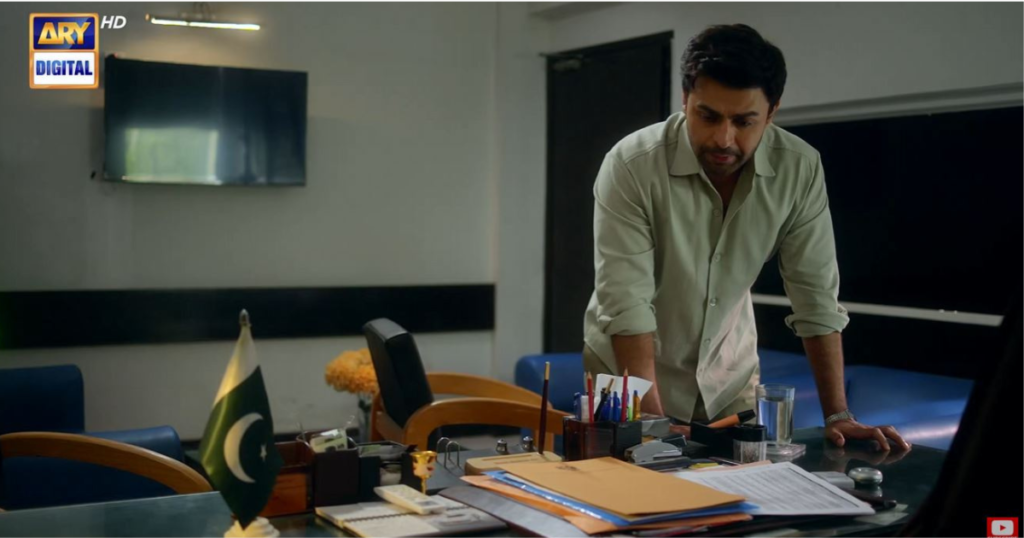
Speaking about Anas, Farhan Saeed pointed towards a wider social expectation that affects both men and women, although in very different ways.
According to Farhan, when a female character is shown as vulnerable, oppressed or determined to fight for herself, audiences are often willing to understand her journey. But when a male character is quiet, frightened or emotionally overwhelmed, viewers can become impatient.
The question quickly becomes, why does he not speak up?
Why does he tolerate it?
Why does he not fight back?
Why does he not protect himself?
These questions may seem reasonable when watching fiction, but they also reveal how society thinks about masculinity. Men are often expected to be the ones who endure pressure rather than admit that the pressure is hurting them.
A man can be expected to provide, protect, decide and remain emotionally composed, sometimes even when he has never been taught how to process his own feelings.
That is where Anas becomes particularly relevant.
His story asks audiences to consider what happens when the person expected to be strong has spent his entire childhood being made to feel powerless.
Childhood Trauma Does Not Disappear When You Grow Up
One of the strongest aspects of Anas’s storyline is the way his childhood continues to influence his adult life.
It is easy to imagine childhood as something that ends when a person becomes an adult. But difficult experiences can continue shaping the way people react to relationships, conflict, authority and emotional situations long after childhood is over.
For Anas, the people who caused his pain were not strangers. They were members of his own family. That makes his situation even more complicated because family relationships can create a sense of obligation, fear and emotional confusion at the same time.
This is also why Farhan believes viewers should understand the character before judging his decisions.
The people who have spent years creating fear in someone’s life can become difficult to confront, particularly when they are also part of that person’s family.
Anas’s story therefore is not simply about whether he should have fought back. It is about what years of emotional pressure can do to a person’s sense of agency.
That does not mean every decision Anas makes should automatically be considered right. It means his behaviour has a history, and understanding that history makes the character more layered.
The Scene Where Anas Meets His Younger Self Hit Differently
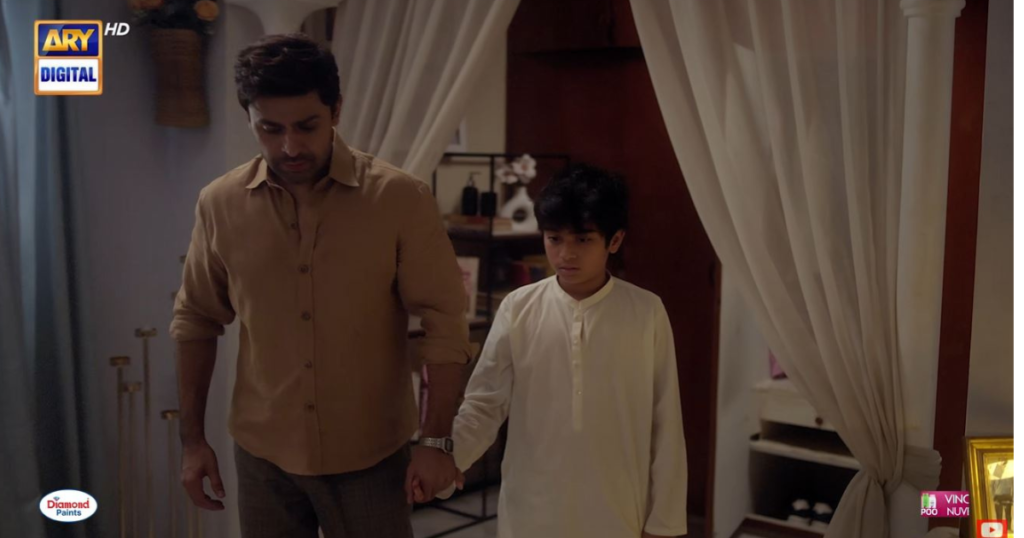
One of the scenes that received attention from viewers showed Anas communicating with his childhood self.
It was an emotionally powerful way of bringing his past and present together. Instead of treating his childhood as a backstory that existed separately from his adult personality, the scene made the connection visible.
The adult Anas is still carrying the child who experienced those years.
That idea is familiar to anyone who has ever looked back at their childhood and realized that certain experiences still affect the way they think, react or relate to others.
For a television drama, it is also a significant storytelling choice because it moves the discussion away from simply asking what Anas should do next. It asks viewers to consider what happened to him before he became the person they are watching now.
And perhaps that is why the character has generated such a strong response.
Farhan Saeed Says the Character Was Very Different From Him
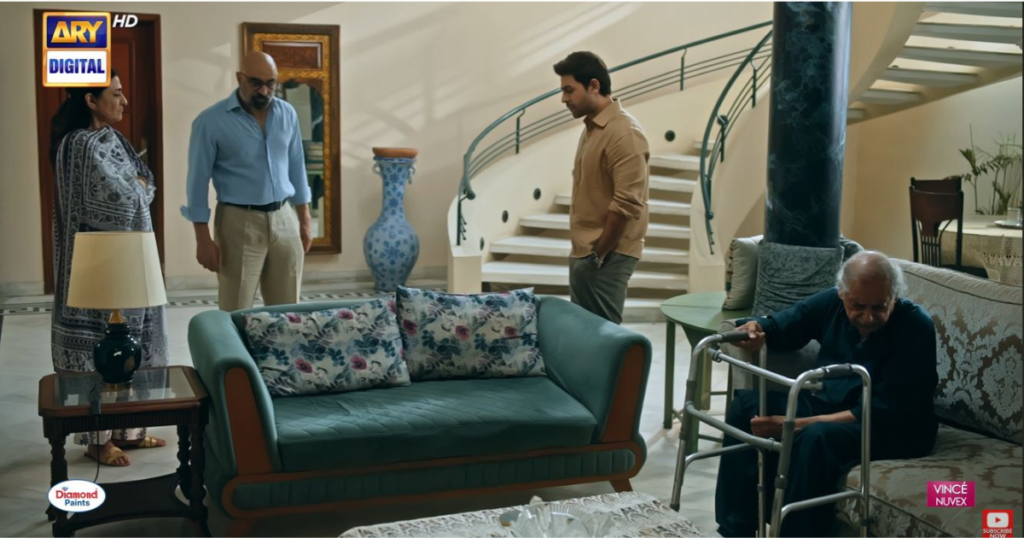
Interestingly, Anas was not a role Farhan Saeed accepted without hesitation.
The actor has played several popular characters during his television career, but he says Anas was very different from his own personality. The character was also unlike many of the male roles audiences are accustomed to seeing in Pakistani dramas.
That difference initially made him think carefully before taking the role.
Playing someone who repeatedly experiences injustice can also take an emotional toll on an actor. Farhan explained that there were moments when the character’s circumstances affected his own mental state.
That is understandable when an actor spends months repeatedly entering the emotional world of someone who is constantly facing fear, pressure and unfair treatment.
But the response after the drama aired appears to have given the role an even deeper meaning for him.
Then Anas Started Bringing Real Stories Into Farhan’s Inbox
This may be the most striking part of Farhan Saeed’s experience with Anas.
After the drama aired, viewers began sending him personal messages. Women talked about their fathers and husbands. Men shared their own experiences, struggles and emotional problems.
Farhan said that reading these messages did not simply make him feel happy about the success of the character. Instead, many of them left him feeling sad because viewers were telling him that Anas’s story resembled their own lives.
That reaction says something important about entertainment.
Sometimes a television character becomes popular because viewers find them charming, romantic or entertaining. Sometimes a character becomes important because people recognize something painfully familiar in them.
Anas appears to have done the latter.
People were not only watching his story. Some were using it as a way to talk about things they had never previously discussed.
And for an actor, that can be a very different kind of success.
Men’s Mental Health Is Still Difficult to Talk About
Farhan’s comments also bring attention to a subject Pakistani society does not always discuss openly: men’s mental health.
Phrases such as “men do not cry” or “men do not feel pain” may sound like ordinary expressions, but they can create enormous pressure when repeated throughout someone’s life.
A boy who grows up being told to control his emotions may become an adult who does not know how to express them.
A man who is constantly expected to be strong may find it difficult to admit that he is struggling.
And someone who has experienced emotional abuse may not always have the language or confidence to describe what happened to him.
This does not mean that men’s experiences should be placed against women’s experiences or that one should be considered more important than the other. Farhan’s point is more straightforward. Emotional suffering can affect people regardless of gender, and men should also be allowed to talk about what they are going through.
Anas gives that conversation a fictional face.
Not Every Man in a Story Has to Be Powerful
There is also something refreshing about allowing a male character to be vulnerable without immediately turning that vulnerability into a weakness.
Anas is not interesting because he is the strongest person in the room. His story is interesting because he is struggling to understand himself after years of being made to feel small.
That kind of male character can challenge the traditional idea that a hero must always be dominant.
It also creates space for a different kind of storytelling, one where emotional complexity matters as much as confidence.
For audiences, this can be uncomfortable at times. Viewers may want Anas to react differently or make faster decisions. But that discomfort can also be part of the point.
Real people do not always behave according to what an audience thinks they should do.
Sometimes fear wins.
Sometimes years of conditioning win.
Sometimes people need time before they can even understand what is happening to them.
Farhan Saeed Is Also Drawing a Line Around Toxic Male Characters
Anas is not the only thing Farhan has said about the kind of male characters he wants to play.
The actor says he has turned down several roles that he considered toxic. In particular, he does not want to play a husband or boyfriend who mistreats a woman and is then transformed into a hero a few episodes later.
That distinction is worth noticing.
Pakistani dramas often build stories around flawed characters, and there is nothing inherently wrong with portraying a negative or morally complicated person. The problem becomes more interesting when a character’s harmful behaviour is treated as something that can simply be forgotten once the plot needs a romantic hero.
Farhan says that if he plays a negative character, he believes that character should face the consequences of his actions.
It is a position that connects with the kind of conversation already surrounding Anas.
Whether a character is vulnerable, flawed or harmful, the story benefits when actions have context and consequences.
Farhan’s View of Drama Is Bigger Than Just Entertainment
Farhan also believes Pakistani television has an influence on society.
That is difficult to ignore. Television dramas enter people’s homes regularly, and the characters they create can influence conversations around relationships, family and social behaviour.
This makes the representation of men particularly interesting.
If every male lead is powerful, emotionally unavailable or aggressive, audiences can become accustomed to seeing those traits as normal parts of masculinity.
But when a drama shows a man struggling with fear, trauma and emotional pressure, it introduces another possibility.
Anas does not necessarily provide all the answers. He does something perhaps more useful. He gives audiences something to discuss.
Why does he behave this way?
What happened to him?
Could his childhood have shaped his decisions?
What would support look like for someone like him?
And why are viewers sometimes more patient with vulnerable women than vulnerable men?
Those questions can exist even when viewers disagree with Anas’s choices.
Farhan Saeed’s Other Side Is Still Music

While Anas has brought Farhan’s acting into the spotlight, his connection with music remains an important part of his career.
Farhan first became widely known as a singer and as a member of the band Jal before moving more seriously into television acting. Over the years, dramas such as Suno Chanda and Mere Humsafar introduced him to an even wider television audience.
He says that this crossover has also changed the audience that comes to his concerts.
People who first discovered him through his television characters now sometimes turn up to see him perform live. Some even arrive without realizing that acting was not where his career began.
For Farhan, that crossover between music and acting has created an unusual relationship with his audience. Some fans know him first as Arsal. Others know him as the singer behind songs they have heard for years.
His new song, Phool Gulab Da, was also released around his birthday on September 14, giving his musical side another moment in the spotlight.
He Is Also Proud of Urwa Hussain’s Work
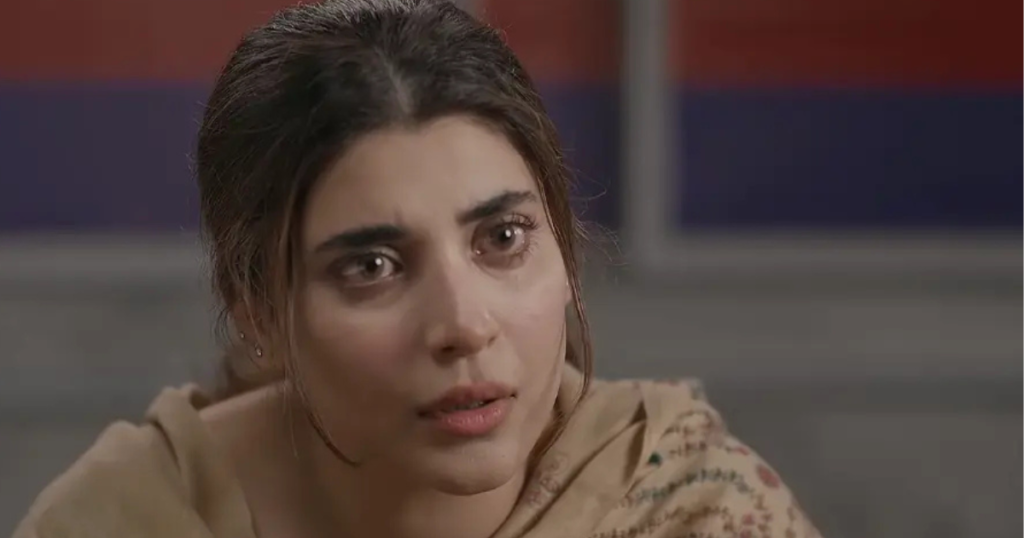
Farhan’s interview also touched on his wife, actor Urwa Hussain, who is currently appearing as Beena in Aap Ki Izzat.
He says the two support each other’s work and openly appreciate each other’s performances when they enjoy them.
Speaking about Beena, Farhan noted that he has not seen Urwa behave like the character at home, but he does appreciate the values represented by the role.
It is a small part of the interview, but it adds another dimension to Farhan’s current career moment. While his own character is prompting conversations about vulnerable men, his wife’s character is also attracting attention for its own portrayal of a woman standing for certain values.
Why Anas Has Stayed With Viewers
There are many reasons a drama character can become memorable.
Sometimes it is the actor’s performance. Sometimes it is the writing. Sometimes it is a particular scene that stays with viewers long after the episode ends.
With Anas, it seems to be the combination of all three, along with something more personal.
People are recognizing themselves in him.
The messages Farhan received suggest that the character has opened a door for conversations that might otherwise remain private. Men who rarely talk about their emotional struggles have found a fictional character through whom they can recognize their own experiences.
That does not mean every viewer will interpret Anas in the same way. Some will still question his decisions, his silence or the way he handles his relationships.
But perhaps that is exactly why the character works.
He is not asking audiences to agree with everything he does. He is asking them to understand where he comes from.
Anas’s Story Is Bigger Than One Drama
At its heart, Anas’s story is about what happens when people carry pain for too long without having the space to process it.
It is about childhood experiences that continue into adulthood.
It is about family pressure.
It is about the expectations placed on men to remain strong even when they are struggling.
And it is about the difference between judging someone’s behaviour and understanding the experiences that shaped it.
Farhan Saeed may have started playing Anas as an acting challenge, but the character appears to have become something much larger through the audience’s response.
The most telling part is not simply that viewers liked the character.
It is that people started telling Farhan their own stories.
That is when a fictional character stops being just a character.
He becomes a conversation.
And perhaps that is the most important thing Anas has brought to Bas Tera Saath Ho. Not another perfect hero, not another powerful man who solves every problem, but a reminder that men can carry pain too, that childhood experiences can leave lasting marks, and that sometimes the person who looks silent from the outside may be dealing with an entire history that the audience cannot see.
For Farhan Saeed, Anas may have been one of the most emotionally demanding characters of his career.
For some viewers, however, he seems to have become something even more personal.
A reflection of a story they had never found the words to tell.
