
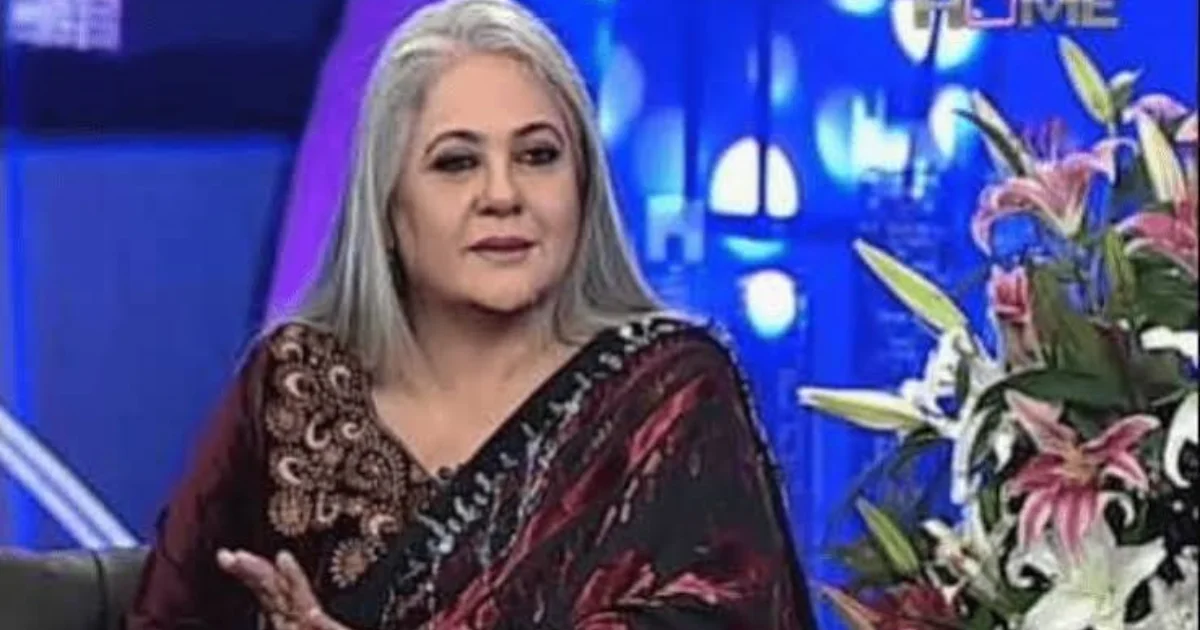
Shehnaz Sheikh: 7 Amazing Facts About a Powerful PTV Icon
Some actors remain famous because they are constantly on screen. Others become unforgettable because of what they leave behind. Shehnaz Sheikh belongs to the second category.
For viewers who grew up watching Pakistan Television during its golden era, her name immediately brings back memories of intelligent heroines, witty dialogue, memorable performances and stories that treated women as complete individuals. Her roles in Ankahi and Tanhaiyaan made her one of the most recognisable faces of Pakistani television, yet she did not spend the following decades trying to remain at the centre of the entertainment industry.
That is what makes Shehnaz Sheikh such an intriguing figure today. While celebrity culture increasingly rewards constant visibility, she has followed a different path, moving away from mainstream acting and exploring other creative interests, including teaching and visual art.
Her story is not simply about an actress who left television. It is about an artist whose work continued to speak for her, even when she was no longer appearing regularly on screen.
Who Is Shehnaz Sheikh?
Shehnaz Sheikh is a celebrated Pakistani television actress and theatre personality, best known for her performances in Ankahi, Tanhaiyaan and Maray Thay Jin K Liye. She became particularly popular during the 1980s, when PTV dramas were shaping the country’s television culture.
Unlike many entertainers whose public identities are built around constant media appearances, Sheikh is remembered primarily for her work. Her characters, expressions and performances have remained part of conversations about classic Pakistani dramas long after their original broadcasts.
She is also a graduate of the National College of Arts (NCA) in Lahore. Beyond acting, she has worked in theatre education and maintained an interest in visual art, showing that her creative identity extends well beyond television.
A 2025 report by Dawn described her involvement in performing arts at NCA, while a separate Dawn arts review of her painting exhibition, Seventh Season, highlighted another side of her artistic life.
These later chapters make her story more interesting. She did not simply disappear from the creative world; she explored different ways of participating in it.
Ankahi: The Role That Made Her Unforgettable
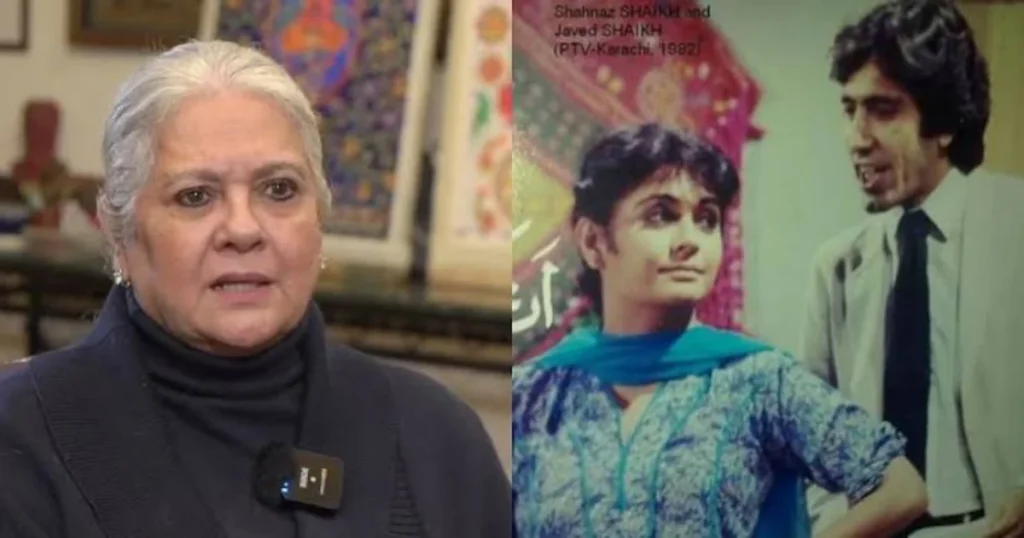
For many viewers, Shehnaz Sheikh will always be Sana Murad from Ankahi.
Written by Haseena Moin and broadcast in 1982, Ankahi became one of the defining dramas of its era. Its appeal came from its humour, lively dialogue and memorable characters, but Sana Murad was particularly important because she was not the typical helpless heroine audiences were often shown.
Sana was ambitious, outspoken and determined to improve her circumstances. She could be impulsive and imperfect, but she had a mind of her own. She was allowed to make mistakes, learn from them and navigate professional and personal challenges without waiting for someone else to solve every problem.
Sheikh brought an appealing combination of confidence, warmth and comic timing to the role. Sana could make an impression with a simple expression or a quick response, and her personality made her feel like someone viewers might actually know.
There is a reason audiences still remember this character. Sana’s ambition was not presented as something that made her less feminine or less worthy of love. Her determination was simply part of who she was.
Decades later, the character remains relevant because viewers continue to look for female leads who have their own goals, flaws, opinions and ambitions.
Tanhaiyaan: A Character Who Found Strength Through Loss
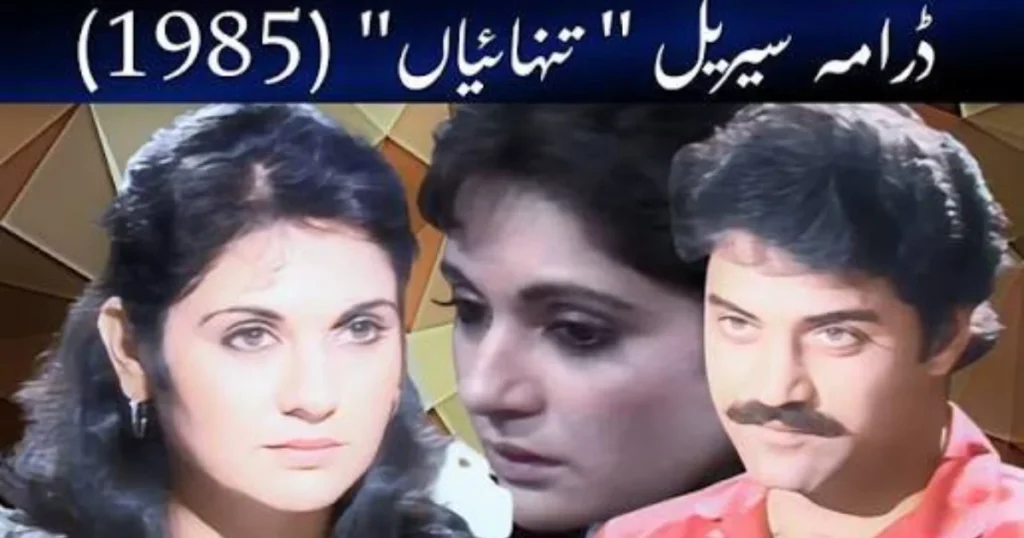
If Ankahi introduced audiences to Sheikh’s charm and comic timing, Tanhaiyaan demonstrated her ability to portray vulnerability and growth.
In the drama, she played Zara, one of two sisters whose lives change dramatically after the loss of their parents. Faced with emotional and financial hardship, the sisters must learn how to rebuild their lives.
Zara’s journey is particularly meaningful because her transformation is not immediate. She begins as a comparatively shy and reserved young woman, but circumstances gradually push her towards greater independence and determination.
Sheikh made that development believable. Rather than turning Zara into an entirely different person overnight, she portrayed a woman who slowly discovers her own capabilities.
The drama also allowed humour, friendship, grief and romance to exist together. Its emotional moments were not dependent on endless misunderstandings or exaggerated suffering. The characters had room to grow, and their decisions mattered to the story.
In a 2021 reflection published by The Express Tribune, Zara was discussed as one of Haseena Moin’s female characters who finds her strength and learns to tackle her own problems.
That description captures much of the appeal of Sheikh’s performance. Zara was vulnerable, but vulnerability never became her entire identity.
Why Her Characters Still Feel Relevant Today
Television changes with every generation. Storytelling styles evolve, audience expectations shift and new performers emerge. Yet some older dramas continue to attract viewers because the themes at their heart remain familiar.
The women written by Haseena Moin often had something that made them feel different: they were allowed to be complicated.
They could be ambitious without becoming villains, romantic without losing their independence and emotional without being reduced to helplessness. They had friendships, professional goals, financial concerns and personalities beyond their relationships with men.
Shehnaz Sheikh was particularly suited to these roles because she could make intelligence entertaining. Her characters did not need to deliver grand speeches to establish their personalities. Much of their appeal came from the way they spoke, reacted and handled ordinary situations.
This is also why viewers continue discovering Ankahi and Tanhaiyaan. Their appeal goes beyond nostalgia. The stories offer a kind of character-driven entertainment that remains satisfying even when viewers know how the plot unfolds.
Modern Pakistani dramas have produced many memorable female characters too, but Sheikh’s legacy reminds us that strong writing does not require a heroine to be perfect. It requires giving her room to be human.
Shehnaz Sheikh’s Decision to Step Away From Acting
Perhaps the most fascinating part of Shehnaz Sheikh’s career is the distance between her popularity and her later relationship with fame.
At a time when actors are often encouraged to remain visible through interviews, new projects, social media and celebrity appearances, Sheikh largely stepped away from regular acting work after establishing herself as a major television star.
Her reasons should not be reduced to a romanticised story about someone who simply disliked fame. The exact circumstances of a person’s career decisions can be complicated, and an absence from television does not tell us everything about their private motivations.
What matters is that Sheikh did not continually return to the screen simply to recreate the success of her earlier roles.
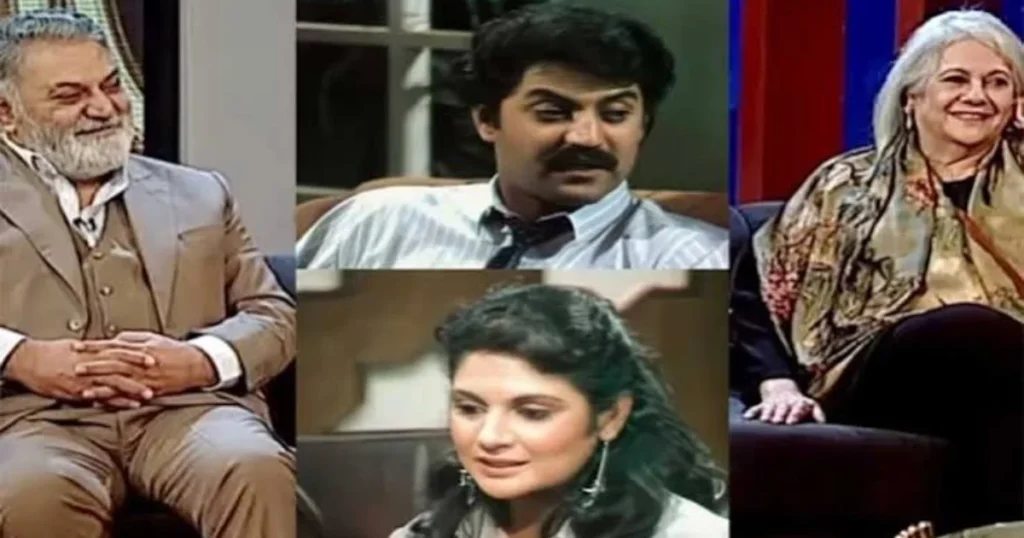
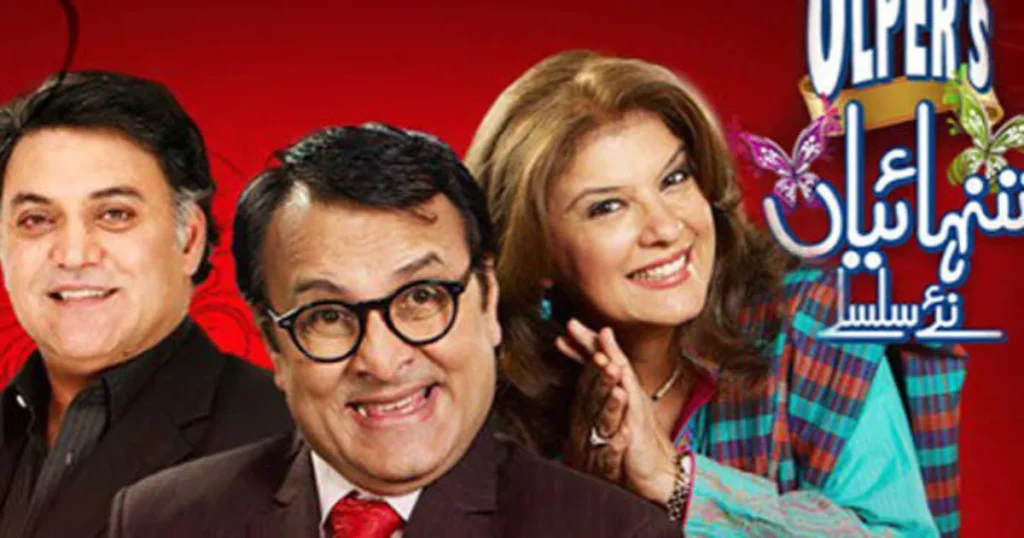
Her absence was particularly noticeable when Tanhaiyaan Naye Silsilay, a sequel to the original drama, arrived in 2012. The continuation brought back several familiar faces, but Sheikh did not reprise her role as Zara.
For fans, that decision meant missing an actor they had associated with an unforgettable character. Yet it also reinforced something unusual about her career: she did not appear to feel compelled to revisit the same role merely because the original had become iconic.
There is a certain confidence in allowing a successful performance to remain in the past. Not every beloved character needs another chapter, and not every actor needs to repeat an earlier success to justify their career.
A Life Beyond Television: Teaching and Theatre
Stepping away from regular acting did not mean leaving the performing arts behind.
Shehnaz Sheikh became involved in teaching acting and theatre, sharing her experience with younger generations. In a 2022 interview with Dawn, she spoke about her work teaching theatre at Aitchison College and acting at Lahore Grammar School, as well as her involvement with NCA, her alma mater.
This part of her journey deserves more attention. The entertainment industry often celebrates performers for what audiences see on screen, while the work of teaching and mentoring receives much less publicity.
Yet passing on an understanding of performance can be an important creative contribution in its own right. Students can learn not only about dialogue and expression but also about stage discipline, character development and the thought that goes into bringing a role to life.
Her later involvement in performing arts initiatives at NCA further reflects this interest. According to Dawn’s report on her work at the college, Sheikh contributed to preparations for its performing arts programme connected with the institution’s Triennale.
This is a different kind of visibility from television stardom. It does not depend on a popular character or a weekly episode. Instead, it comes through supporting artistic work and helping others develop their own creative abilities.
Shehnaz Sheikh, the Visual Artist
There is another side of Shehnaz Sheikh that may surprise viewers who know her primarily through classic PTV dramas: her work as a visual artist.
In September 2025, her painting exhibition titled Seventh Season opened at Ocean Art Gallery in Karachi. The exhibition offered audiences another way to experience her creativity, away from television screens and familiar fictional characters.
Discussing her approach to painting, Sheikh described art as a form of therapy and spoke about experimenting with colours, motifs and different materials. Her work included mixed-media pieces on paper, with a series titled Garden highlighted in the coverage.
The exhibition was a reminder that creativity does not have to remain limited to the field in which a person first becomes recognised.
An actor may develop an interest in painting. A performer may become a teacher. Someone known for inhabiting other people’s characters may find satisfaction in creating visual worlds of their own.
For Sheikh, this artistic chapter makes her journey feel less like a retirement from creativity and more like a change in direction.
Her audience may have first encountered her through acting, but her work in visual art demonstrates that the impulse to create can take many forms.
Shehnaz Sheikh’s Views on Pakistani Television
Sheikh has also spoken openly about how Pakistani television has changed since her PTV days.
In interviews with Dawn, she has reflected on differences in production, casting, episode length and the role of commercial sponsors. In a 2022 interview, she expressed concerns about the overall standards of television drama while acknowledging that some contemporary performers were doing excellent work.
These views are worth considering in the context of her own career. The television environment in which Ankahi and Tanhaiyaan were produced was different from today’s industry, where commercial considerations, evolving viewing habits and longer-running serials all influence production.
Sheikh’s observations are those of a performer who experienced one system of television production and later watched the medium change.
They do not mean that everything from the past was perfect or that contemporary dramas lack merit. Rather, they offer a perspective on how production choices can shape storytelling and the opportunities available to actors.
Her continued involvement in theatre and the arts also suggests that her relationship with creative work has not been defined exclusively by television ratings or public popularity.
Why Shehnaz Sheikh Never Needed to Chase Fame
The title of a timeless icon is not earned simply by being absent from the screen. It is earned when the work remains meaningful even after the performer has moved on.
Shehnaz Sheikh’s legacy rests on the quality of the characters she helped bring to life, the creative teams she worked with and the impression those performances left on audiences.
Sana Murad remains memorable because she was funny, ambitious and imperfect. Zara remains meaningful because her story showed a woman gradually finding the strength to rebuild her life. Both characters feel connected to a period of television that trusted dialogue, character development and emotional nuance.
Her later work in teaching, theatre and painting adds another dimension to this legacy. It shows an artist continuing to explore creativity without needing every new chapter to generate the same kind of public attention as her best-known performances.
Of course, no public figure is entirely outside fame once their work becomes part of popular culture. Sheikh remains a subject of admiration, discussion and nostalgia. The distinction is that her reputation does not depend on a constant stream of new appearances.
Perhaps that is the real meaning behind the idea that she never needed to chase fame. She built a body of work that could continue to find viewers long after her own professional priorities changed.
The Timeless Legacy of Shehnaz Sheikh
Shehnaz Sheikh belongs to a generation of Pakistani performers whose influence cannot be measured solely through the number of dramas they appeared in or the frequency of their media appearances.
Her performances in Ankahi and Tanhaiyaan continue to remind audiences of the power of well-written characters and actors who understand how to make those characters feel real. Beyond television, her work in education, theatre and visual art reflects a creative life that has taken different forms over time.
There is something reassuring about her story in an industry that often treats visibility as a measure of success. An actor’s career does not have to follow a predictable path, and leaving the spotlight does not erase the value of what came before.
Shehnaz Sheikh may not appear on our screens as regularly as some of today’s stars, but her most memorable work has never needed constant reminders to remain relevant.
Some icons become part of the conversation by always being present. Others earn a place in cultural memory so firmly that their absence only makes audiences appreciate them more.
Shehnaz Sheikh is one of those rare performers whose legacy continues to speak long after the cameras have moved on.
Frequently Asked Questions
1. Who is Shehnaz Sheikh?
Shehnaz Sheikh is a veteran Pakistani television actress and theatre personality known for classic dramas such as Ankahi, Tanhaiyaan and Maray Thay Jin K Liye.
2. Which dramas made Shehnaz Sheikh famous?
She became widely recognised for playing Sana Murad in Ankahi and Zara in Tanhaiyaan. Both dramas are remembered as important productions from PTV’s golden era.
3. Why did Shehnaz Sheikh leave acting?
She gradually stepped away from regular acting after establishing her television career. Her absence should not be attributed to a single reason without reliable confirmation, but she continued exploring other creative interests.
4. What does Shehnaz Sheikh do beyond acting?
She has been involved in teaching acting and theatre, working with educational institutions including Aitchison College, Lahore Grammar School and the National College of Arts. She has also pursued visual art and exhibited her paintings.
5. Why is Shehnaz Sheikh still remembered today?
She is remembered for her distinctive performances, memorable characters and association with well-written classic Pakistani dramas. Her characters’ intelligence, humour and independence continue to resonate with viewers across generations.
