



Leader had everything going for it. A niche but loyal audience. A story rooted in Pakistani politics. Strong performances from Kinza Hashmi and Ali Raza that carried the show through weeks of buildup. And then, in its final episode, it managed to undo a lot of that goodwill in under an hour.
Fans are not happy. Reactions online range from confused to outright frustrated, and a lot of that frustration is aimed at one specific choice the writers made in the closing minutes. But the disappointment goes deeper than a single twist. It touches on what the drama was actually trying to say, and whether it said it well.
Here is what happened, why it didn’t land, and what a better ending could have looked like.
What Actually Happened in Leader Last Episode

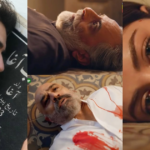
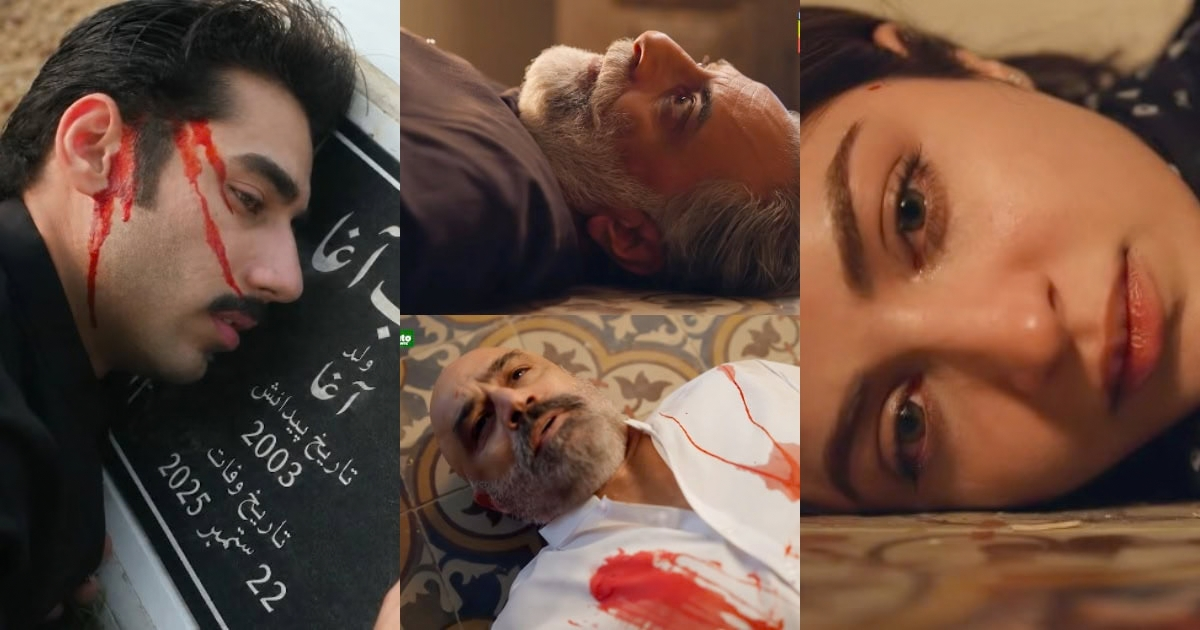
Leader, which airs on HUM TV, had already spent its run building toward a violent, high stakes conclusion. Politics, in this story, was never a background detail. It was the whole engine. The finale followed through on that setup in the most literal way possible: almost everyone central to the story dies.
The two biggest characters in the show do not make it. Rubab, a character many viewers had grown attached to, is also killed off, a development that seems to have caught even seasoned viewers off guard. And then there is Mansoor.
Mansoor is injured earlier in the episode, badly enough that his survival becomes a genuine question. He pulls through. For a few minutes, it looks like he is one of the few characters the drama is willing to let live. Then, right at the end, he dies anyway.
That sequencing, survive first, die later, is the moment most viewers point to when explaining why the finale felt like a betrayal rather than a tragedy.
Leader last episode is where that goodwill started to unravel
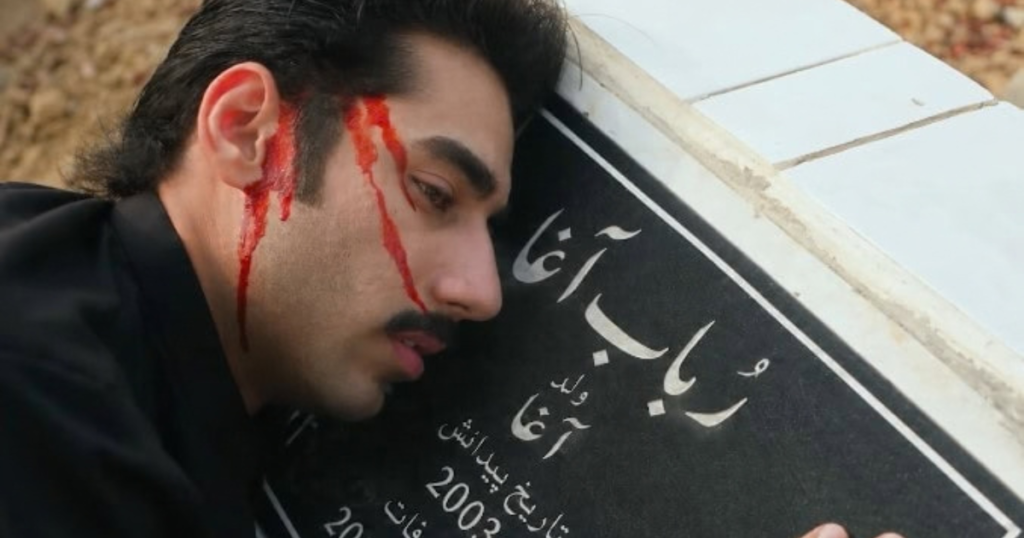
There is a difference between a character dying and a character being given false hope before dying. Leader chose the second option, and audiences noticed immediately.
If the writers intended for Mansoor to die, the injury and recovery sequence did not need to exist at all. Instead, viewers were given several minutes of relief, the sense that at least one central character had survived the carnage, only to have that relief reversed in the closing moments. It reads less like a twist and more like a decision made purely to maximize shock value, without much concern for whether that shock served the story.
Plenty of dramas kill off major characters. Audiences generally accept that when a death carries weight, when it means something for the story or the characters left behind. What Leader’s finale struggled with was making Mansoor’s death feel earned rather than simply cruel. Saving him, only to take him away moments later, did not build tension. It just built resentment.
A Political Drama That Forgot Its Own Message
Leader spent its entire run positioning itself as a show about power, corruption, and the cost of political ambition. That is a difficult, worthwhile subject for Pakistani television to take on. The problem is not that the finale was dark. Political dramas are allowed to be dark. The problem is what that darkness was ultimately used to say.
By killing off nearly every character connected to the political storyline and offering no real resolution beyond loss, the ending seems to arrive at a single, discouraging conclusion: politics destroys everyone who touches it, so the safest choice is to stay away entirely.
That is a strange note for a political drama to end on, especially one that spent so much time building characters who cared, who tried, who believed change was possible. Telling an audience that involvement leads only to death and grief is not the same as telling a nuanced story about the difficulty of political life. It flattens a complicated subject into a warning label.
Why Youth Involvement in Politics Actually Matters
This is where Leader’s ending misses something important, not just as storytelling, but as a message landing in front of a young audience watching a drama about their country’s political future.
Encouraging disengagement is not a solution to a broken system. It is the opposite of one. A political system does not improve because young, capable people decide it is too dangerous or too corrupt to participate in. It improves, slowly and imperfectly, when more people choose to hold it accountable rather than opt out of it entirely.
That does not mean naive optimism. It means something more practical: civic education that starts early, so young people understand how the system actually works rather than encountering it for the first time as adults. Transparency mechanisms that make it harder for corruption to hide, so participation does not feel like walking blindly into danger. Spaces, at the local level, where young people can get involved in ways that are visible and low risk before they take on anything larger. Accountability that applies consistently, not selectively, so the people who abuse power actually face consequences instead of becoming cautionary tales for everyone else.
A drama built around political ambition and its costs had every opportunity to explore this tension seriously. It could have shown a character who survives, who is changed and scarred by what they witness, but who chooses to keep pushing for something better anyway. That kind of ending does not require ignoring the real dangers involved in political life. It simply refuses to treat those dangers as the final word.
Instead, Leader chose to end on despair, and in doing so, missed the chance to say something more useful to the exact audience it was speaking to.
Since Leader last episode aired, social media has been full of reactions
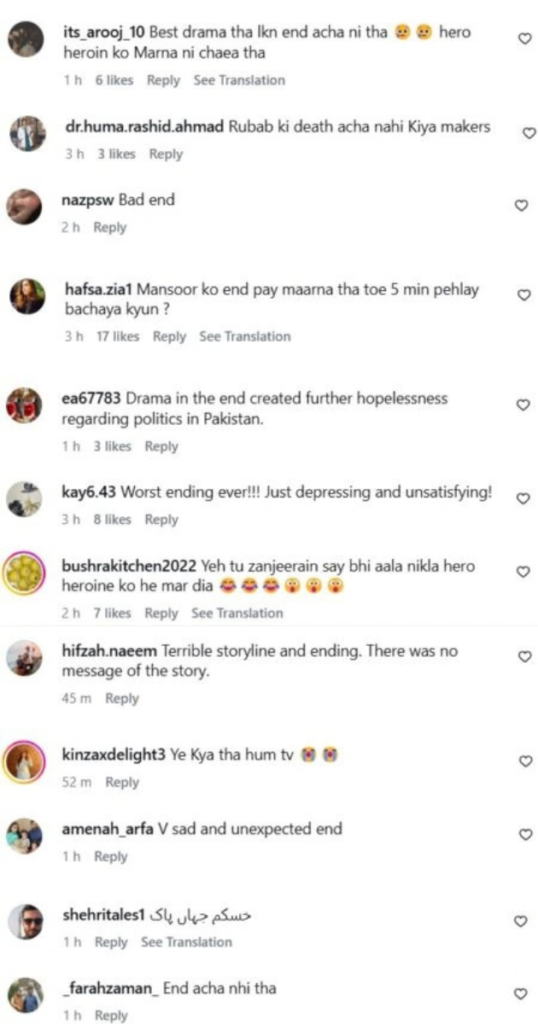
The disappointment has been loud and consistent across social media. Many viewers have described the ending as unsatisfying, with several pointing directly at the lack of any real takeaway. Others have focused specifically on the Mansoor sequence, questioning why the writers chose to build up his survival only to reverse it minutes later.
A recurring theme in the reactions is a sense of wasted investment. Viewers who stayed with the show through a long, sometimes difficult political storyline expected the payoff to feel meaningful, even if it was tragic. What they got instead felt, to many, like tragedy for its own sake, without a clear reason behind it.
That kind of reaction is not unusual for a finale that leans heavily on character deaths, but it is worth noting how specific the frustration has been. This is not simply an audience upset that people died. It is an audience upset that the deaths did not seem to be building toward anything.
Pakistani dramas have never been short of complicated male characters, but there is a familiar pattern audiences often recognize. The male lead is usually expected to be confident, decisive and emotionally controlled. Even when he is facing problems, he is often given the role of the person who eventually takes charge of the situation.
Did Kinza Hashmi and Ali Raza Deserve a Better Ending
Whatever the finale’s shortcomings, they should not overshadow the work that got the show there in the first place. Kinza Hashmi and Ali Raza carried much of Leader’s emotional and dramatic weight across its run, and both delivered performances strong enough to keep audiences invested in a story that was not always easy to watch.
That makes the ending harder to accept, not easier. A weaker cast might have made a disappointing finale feel like a natural extension of a show that was never quite working. Leader was not that show. It had strong performances, a compelling premise, and enough narrative momentum to earn a finale that matched its ambition. Instead, the ending undercut the very characters the performances had spent weeks building.
Leader last episode had every ingredient for a strong finale
Strip away the shock of the deaths, and the finale’s real problem becomes clearer. It is not that Leader chose to end tragically. It is that the tragedy did not serve a purpose beyond itself.
A strong ending, even a devastating one, usually leaves an audience with something to sit with. A message about accountability. A sense that a character’s death meant something for the people left behind. A reason for the difficulty the audience just endured. Leader’s finale offers loss without much of that structure underneath it. The result feels less like a bold, unflinching conclusion and more like a story that ran out of ideas for how to land the plane and chose the most dramatic option available instead.
Leader last episode may be over, but the conversation around it isn’t
It is worth asking what a stronger finale might have looked like, not to rewrite the show, but to understand exactly what went missing.
A version of this ending could have let Mansoor survive, genuinely, and used that survival to carry the story’s political message forward instead of erasing it. His character could have represented the cost of staying involved without erasing the value of doing so. Rubab’s death, if it needed to happen, could have been given more space to matter rather than arriving as one loss among several in a single crowded episode.
None of this requires a happy ending. Political dramas are allowed, and often expected, to be unflinching. What audiences seem to be asking for is not less darkness. It is a darkness that leads somewhere, rather than one that simply ends the story by removing everyone capable of continuing it.
Leader had the ingredients for a finale that matched the ambition of its premise. A politically engaged story, strong lead performances, and an audience willing to follow a difficult narrative to its conclusion. What it delivered instead was an ending that many viewers experienced as abrupt, needlessly cruel in its handling of Mansoor, and ultimately unclear about what it wanted to say about the political system it spent an entire season examining.
Dramas about power and corruption do not owe their audiences comfort. But they do owe them a reason for the discomfort they ask viewers to sit through. Leader’s last episode, for a lot of people watching, did not quite deliver that.
What did you think of Leader’s ending? Let us know in the comments.
